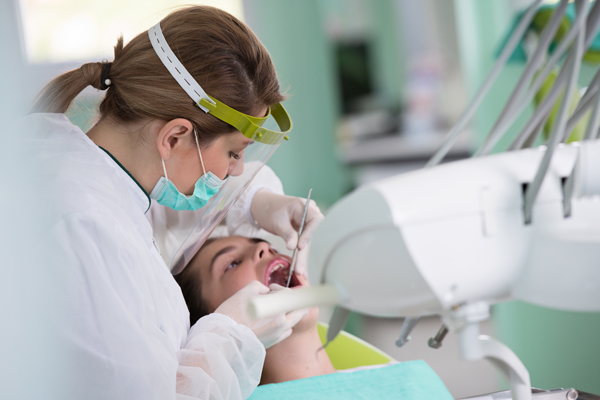
Endodontics is a branch of dentistry that focuses on studying, diagnosing, and treating problems affecting teeth pulp. The most commonly performed endodontic treatment used in dentistry is the root canal, and it allows dentists to save teeth that have severe damage or decay.
Root canal treatments are often the last defense when saving a tooth. A tooth that is too damaged to be restored with endodontics may need to be extracted.
Improving oral health with endodontics
While effective tooth replacement options like implants, dentures, and bridges have been developed over the years, natural teeth are still better than artificial teeth. In addition, a dentist saving a natural tooth saves you money since you do not have to replace it with an oral prosthetic like an implant. Implants last longer than any other tooth-replacement option, yet a patient may have to replace the restoration attached a few times over a lifetime.
Saving a patient’s teeth also allows them to avoid undergoing minor oral surgery so implants can be inserted into their jaw.
The biggest dangers to teeth
Tooth decay is the most common reason people seek dental care. It is caused by bacteria in the mouth converting sugars left on teeth into acids that erode enamel. The decay often starts as de-mineralization, then tiny holes called cavities appear on the patient’s teeth. If left untreated, these cavities will continue to expand until they reach the pulp chamber. The pulp chamber is the innermost layer of a tooth, and it is sealed off from the rest of the tooth, preventing acids and bacteria from reaching the nerves and blood vessels inside it.
Tooth decay opening up a tooth’s pulp chamber makes it vulnerable to infection. In addition, severe toothaches often accompany the damage as irritants in the mouth and bacteria irritate the soft tissues in the chamber.
A tooth’s pulp chamber can also be opened up by trauma to a tooth. For example, it can result from a slip, fall, or a direct blow to the face. Endodontics is typically needed when a tooth’s pulp chamber is compromised.
Some of the ways endodontic treatments help to protect your oral health include:
Prevents and treats infection: Endodontic treatments like root canal therapy can be used to prevent or treat infections. Once an infection is cleared out of the system, it is a common misconception that it will not return. This is only the case when preventative measures are in place
Saves damaged teeth: Endodontic treatments save severely damaged teeth, preventing them from breaking apart further or falling out. This treatment helps prevent some of the issues that missing teeth can cause, like the remaining teeth shifting out of their proper alignment
Remove pathological pulp: Endodontic treatments are used to remove defective pulp tissues due to factors like genetics
Common endodontic procedures and treatments
There are multiple forms of endodontics. The type of procedure a patient receives depends on the cause and severity of their tooth or gum damage. Here are some common endodontic procedures that a dentist may use to save the patient’s natural tooth.
Root canal therapy
Root canal therapy is the most common endodontic procedure. The process involves removing infected tissues in the pulp chamber of a tooth. Patients experiencing swelling and pain in the gums, tooth sensitivity, or an abscessed tooth may be a candidate for this type of endodontics.
Endodontic retreatment
The second most common procedure, and one that is often considered a success when performed properly, is endodontic retreatment. This procedure is done to remove all infected tissue from a tooth after root canal therapy has failed due to infection or improper filling. The purpose of the procedure is to save the tooth by removing all infected tissue so the natural tooth can then be filled with gutta-percha and sealer, restoring its functionality and appearance.
Endodontic surgery
Endodontic surgery is an alternative to root canal treatments. It is a treatment that involves removing the pulp and cleaning out the root canal system (the nerve, blood vessels, and connective tissue inside of the tooth).
The bottom line
Are you dealing with a severely damaged tooth? You most likely require an endodontic procedure or treatment. Endodontic procedures can seem intimidating to patients, but they are fairly simple and straightforward. The best way to start your road to a healthy mouth is by contacting our dental clinic today to set up an appointment.
Request an appointment here: https://www.kingdentistry.com or call King Dentistry at (209) 585-1474 for an appointment in our Turlock office.
Check out what others are saying about our dental services on Yelp: Endodontic Surgery in Turlock, CA.
Recent Posts
Licensed dentists often recommend dental bonding to repair minor to moderate concerns with front visible teeth because the bonding material has many similarities with natural teeth. Dental bonding can protect the deeper layers of teeth, withstand the daily pressures teeth receive, and match the ideal shade of teeth.It is beneficial to understand how dental bonding…
Dentists often use dental bonding to fix tooth problems. Continue reading to learn more about this type of dental restoration. Many dental patients are opting for this tooth restoration treatment because it strengthens teeth and gives them a natural appearance. Dental bonding also has a much longer lifespan than most tooth repair options. But how…
Dental bonding is a great way to address oral health and cosmetic issues like damaged enamel and chipped or cracked teeth. Read on to learn more about dental bonding. Dental bonding is minimally invasive and considered safe for patients.Every patient should evaluate all available types of restorative dentistry to address their specific oral health concerns…
Dental bonding is a perfect idea to try if you require minor smile enhancements. Dental bonding is a fast, simple, and affordable way to enhance the appearance of your teeth while still protecting them from more damage if they have a chip or crack. This article talks about what makes dental bonding a great choice…