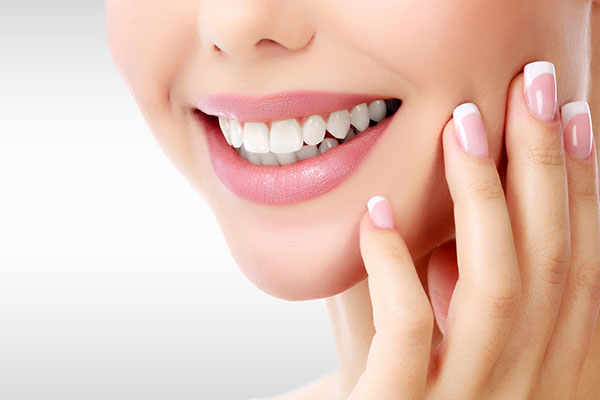
 Your dentist can suggest dental bonding to correct minor flaws in your teeth. These problems may be minor, but they can worsen over time. Treating them in a non-invasive way can help make your smile look healthy again. Here are the details on how dental bonding can give you your smile back.
What this treatment is
Dental bonding is a non-intrusive treatment that applies composite resin to discolored and damaged teeth. A curing light will harden the material and strengthen its attachment to the teeth. Shaping and polishing the material will allow it to blend well with the natural dental structure. This reversible treatment can also correct minor gaps and misalignment.
Different types of dental bonding
The dentist will evaluate the patient’s case first. Recommending the right type of dental bonding will follow. The two most common variations of this treatment are direct and adhesive composite bonding. Below are their differences:
- Direct composite bonding uses tooth-colored resin material that can fill cavities, cracks, and chips. The procedure involves applying the resin material and shaping it well. Polishing it will help it blend with the rest of the dental structure. A curing light will fix the shape of the bonding material. This type of dental bonding will be over in one dental appointment. There is no need to prepare for this treatment.
- Adhesive bonding uses a bonding agent or an etchant to attach a type of dental restoration to the tooth. A curing light will keep the bond in place. Etching the tooth is necessary before attaching the bonding agent to the restoration.
The right candidate
Anyone with minor dental problems can have a dental bonding treatment. The patient will not need a long consultation before the procedure. However, discussing it will enable the patient to know how the procedure happens. The dentist will also explain the type of bonding treatment that can help the patient the most. The following are the situations that will need dental bonding:
- Cavity formation
- A space between teeth
- Chipped teeth
- Cracked teeth
- Worn-down teeth
- Misshaped teeth
- Dental staining and discoloration
After the procedure
Dental bonding is a temporary treatment. It is vulnerable to staining and chipping. That is why it is important to take good care of the newly treated teeth. Proper oral hygiene helps make it easy to prevent staining. Avoiding wine, coffee, and tea, as well as tobacco, can help keep the bonded teeth in top shape. Also, refrain from chewing objects and hard vegetables.
The benefits of dental bonding
This treatment is not expensive at all. Most people can get it. Insurance companies can cover part of the costs if the reason is to improve dental structure. This simple procedure will not need a whole day at the dental office. The patient will not need an anesthetic either.
Dental bonding can help you achieve your smile goals
Small chips, cracks, and gaps, as well as minor discoloration, can affect your smile. This can lower your self-esteem. Dental bonding can rejuvenate your smile. Working with your dentist will enable you to keep your new smile looking beautiful.
Request an appointment or call King Dentistry at 209-585-1474 for an appointment in our Turlock office.
Recent Posts
Dental bonding is not a permanent solution. This is in contrast to dental veneers, which are considered a permanent solution and are used for similar reasons as dental bonding. However, dental bonding can last for several years if the teeth are cared for properly.The following discussion highlights what the dental bonding procedure involves and why…
Dental bonding is a form of restorative treatment used to repair damaged enamel and fix cosmetic concerns such as gaps between teeth or uneven teeth. There are many benefits of dental bonding when used to repair damaged enamel, and it is safe for patients and does not harm the teeth in any way.There are certain…
Dental bonding involves applying a tooth-colored resin material to the visible surfaces of teeth to protect the enamel from additional harm and achieve an ideal smile. The purpose of dental bonding is to address oral health or cosmetic concerns. Dental bonding is particularly useful for addressing issues with the more visible teeth at the front…