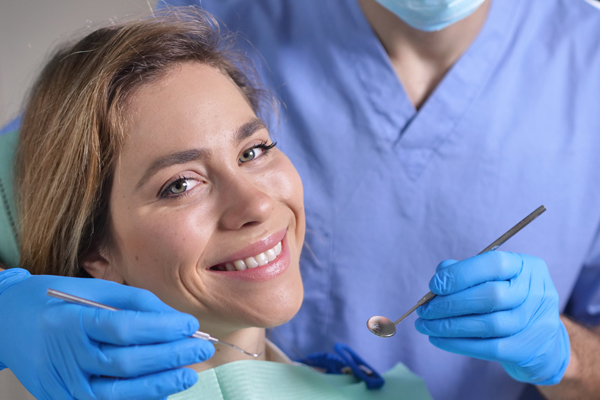
Dental bonding is a practical way to refresh a smile without extensive dental work. This approach helps address small cosmetic and functional concerns with a tooth-colored resin that blends with natural enamel. A general dentist often recommends it for patients seeking noticeable improvement with a conservative approach. Dental bonding also helps to protect teeth and the health of one’s smile. Understanding the process can help patients prepare for the procedure and learn how to care for the results long after.
Addressing minor smile flaws
Many smiles look healthy yet still show minor flaws that draw attention. Chips, worn edges, small gaps, and uneven shapes can affect symmetry and the overall appearance of the teeth. Stains that do not respond well to whitening also may benefit from targeted correction using the resin material. Dental bonding is effective because the resin allows the dentist to shape the material directly on the tooth, thereby creating a smoother outline and a more uniform surface. Patients often prefer this process because it avoids the laboratory wait times associated with custom-made veneers or crowns.
Bonding also supports function in select cases where minor repairs are needed. A small chip on an edge can catch on the lip or alter the way teeth meet during normal activity. Smoothing and rebuilding that edge can improve comfort during chewing and speaking. A general dentist evaluates bite forces, enamel condition, and gum health before recommending this option. This evaluation ensures that the tooth structure remains strong enough to support the added material.
The dental bonding application process
For a successful procedure and desired results, the patient will need to go through a careful examination and review their shade preference with a dentist. The dentist confirms that the tooth structure supports a strong attachment and checks for decay or cracks that need different care. Next, the dentist cleans the tooth and prepares the surface the ensure reliable resin adhesion. That preparation usually involves gentle conditioning, which creates a texture for bonding strength.
After preparation, the dentist applies a bonding agent and then places the tooth-colored resin in small increments to build up the desired shape. The dentist shapes the material to match the tooth’s natural contours and the surrounding smile line. A curing light hardens each layer, which helps control shape and durability throughout the life of the restoration. The dentist concludes by polishing the surface to achieve a smooth feel and a sheen that complements adjacent enamel. This process enables immediate results that the patient can appreciate before leaving the office.
When bonding is appropriate
Dental bonding is generally effective when the concern involves a small-to-moderate change, and the tooth has a healthy structure. A general dentist considers aesthetic goals, bite patterns, and lifestyle habits to confirm a match for the patient. There are several specific scenarios in which this treatment is effective in maintaining a balanced smile.
- Repairing small chips or rough edges on front teeth
- Closing minor spaces that create uneven symmetry between teeth
- Reshaping teeth that look short or slightly irregular in length
- Covering isolated discoloration that stands out from the surrounding enamel
- Filling small cavities in areas with low chewing pressure
These examples often lead to results that enhance the overall appearance of the smile. Bonding does not replace full coverage when a tooth needs major reinforcement. Teeth with fractures, heavy wear, or large existing fillings may require a crown rather than a resin-based restoration. Each restoration plan is designed to meet the functional and aesthetic needs of the individual patient while prioritizing tooth health.
Preserving your new smile
Longevity depends on technique, bite forces, and daily habits. Gentle brushing with a nonabrasive toothpaste helps preserve polish and reduce surface roughness. Flossing supports gum health around the bonded area and helps the restoration blend naturally at the margins. Regular dental exams enable early touch-ups to restore smoothness before a small flaw becomes a larger issue.
Dental bonding requires the same level of care as natural enamel to prevent staining and unnecessary wear. Rinsing after consuming stain-causing beverages and scheduling professional cleanings on time will help the material remain bright and functional. Using a nightguard can also protect the resin from the forces of clenching or grinding during sleep. These repeatable steps help individuals maintain their appearance and dental comfort between office visits. For more information or to schedule an appointment, call our office.
To schedule a consultation, please request an appointment on our website at https://www.kingdentistry.com or call King Dentistry at (209) 585-1474 to arrange an appointment at our Turlock office.
Check out what others are saying about our dental services on Yelp: Dental Bonding in Turlock, CA.
Recent Posts
Dentists often use dental bonding to fix tooth problems. Continue reading to learn more about this type of dental restoration. Many dental patients are opting for this tooth restoration treatment because it strengthens teeth and gives them a natural appearance. Dental bonding also has a much longer lifespan than most tooth repair options. But how…
Dental bonding is a great way to address oral health and cosmetic issues like damaged enamel and chipped or cracked teeth. Read on to learn more about dental bonding. Dental bonding is minimally invasive and considered safe for patients.Every patient should evaluate all available types of restorative dentistry to address their specific oral health concerns…
Dental bonding is a perfect idea to try if you require minor smile enhancements. Dental bonding is a fast, simple, and affordable way to enhance the appearance of your teeth while still protecting them from more damage if they have a chip or crack. This article talks about what makes dental bonding a great choice…
Dental bonding is an effective restorative procedure for many dental issues, including tooth sensitivity. Read on to learn more about dental bonding. Dental sensitivity affects almost everyone at some point in their lives. Very hot or cold foods or liquids may cause a person’s teeth to become irritated. Knowing how to manage or approach sensitivity…