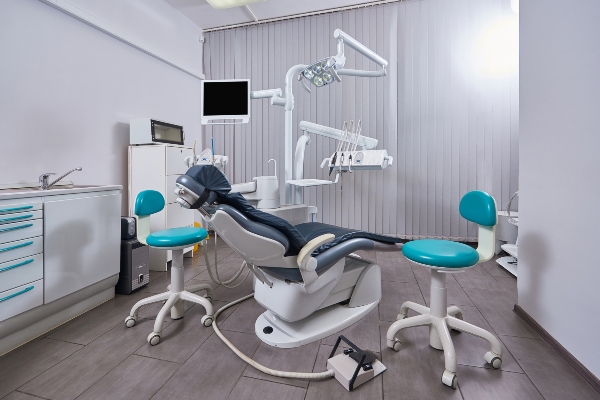
 Root canal treatment is a standard dental procedure that addresses infection or inflammation within a tooth's pulp, allowing a person to preserve the natural tooth structure and maintain oral health. During this process, a dentist removes compromised tissue inside the tooth, cleans and reshapes the canal space, and seals the area to prevent further complications. After completion, it is important to follow specific dietary guidelines to support a smooth recovery, protect the treated tooth, and maintain oral comfort.
Importance of a cautious approach
Immediately following root canal treatment, sensitivity or mild soreness may occur around the treated tooth. This outcome usually subsides over time, but adopting foods that are less likely to exacerbate discomfort is wise. A gentle diet encourages proper healing and reduces stress on the tooth. By carefully choosing the right foods, individuals minimize the risk of damaging the newly treated area or irritating surrounding tissues.
Adopt softer food choices
Soft foods are easier to chew and place minimal pressure on the tooth that undergoes root canal treatment. Smooth foods such as mashed vegetables, applesauce, and yogurt offer nourishment without requiring vigorous chewing. Soups with soft or pureed ingredients provide hydration, vitamins, and minerals while reducing strain on the jaw. Scrambled eggs and oatmeal also fit well into a softer meal plan. These options promote adequate nutrition and allow the tooth and surrounding tissues to recover.
Avoid hard or crunchy foods
Firm or crunchy foods may disrupt the treated tooth. Biting into items like nuts, chips, or hard candy can apply excessive force and risk fracturing the tooth, especially if a permanent crown or filling is not yet in place. Sticky foods such as caramel or chewy candy also pose a challenge because they cling to surfaces and increase stress on the tooth. Maintaining caution in food selection prevents potential issues and extends the benefits of root canal treatment.
Consider the temperature of certain foods
Too hot or too cold foods may aggravate sensitivity shortly after the procedure. Lukewarm or room-temperature beverages and meals provide a more comfortable eating experience in the initial days following the root canal treatment. This precaution helps to reduce sudden jolts of sensitivity and allows the tooth to adapt gradually.
Adopt a balanced, nutritious diet and stay hydrated
A balanced diet supports healing and maintains overall well-being. According to Harvard Health, it also supports healing after a surgical procedure, with some foods being more important than others. Patients will primarily want to focus on protein sources like soft fish, tofu, and well-cooked lentils and beans. Steamed or gently roasted vegetables deliver essential vitamins and minerals without intense chewing. Whole grains such as soft bread and pasta add fiber and energy to the meal plan. Further, patients need to ensure their daily water intake is at least 64 ounces, equivalent to eight glasses, to promote saliva production, which helps keep the mouth clean and supports the body's natural healing processes.
Call us for more information
Following a root canal treatment, following an approved meal plan promotes comfort and preserves the integrity of the treated tooth until a permanent restoration can be placed. Have you recently undergone a root canal and have more questions about dietary guidelines? Contact King Dentistry for more information.
Request an appointment here: https://www.kingdentistry.com or call King Dentistry at 209-585-1474 for an appointment in our Turlock office.
Recent Posts
Root canal treatment is a highly effective procedure that can save a tooth that would otherwise need to be pulled. Proper aftercare and oral hygiene ensure the treated tooth heals correctly and continues to function long after the procedure. Understanding how to care for a root canal-treated tooth can help prevent complications and promote long-term…
A dentist may recommend root canal treatment if you have a badly infected or damaged tooth. It is normal to have some questions about what to expect from the procedure, especially when it comes to aftercare. Understanding what happens after the procedure can help ease concerns and ensure a smooth recovery. While root canal treatment…
A root canal is a procedure that can save severely damaged or decayed teeth, prevent infection, and treat active infections. The process involves removing the pulp in the tooth’s pulp chamber and disinfecting the area. It often takes less than an hour from start to finish.The pulp chamber of a tooth is the central chamber…
A person may need a root canal to clean out the inside of their tooth and remove infection. However, not all infections present symptoms, and if they do, different people may experience them differently. For this reason, understanding whether you need a root canal can become tricky.While no two people are entirely alike, most will…